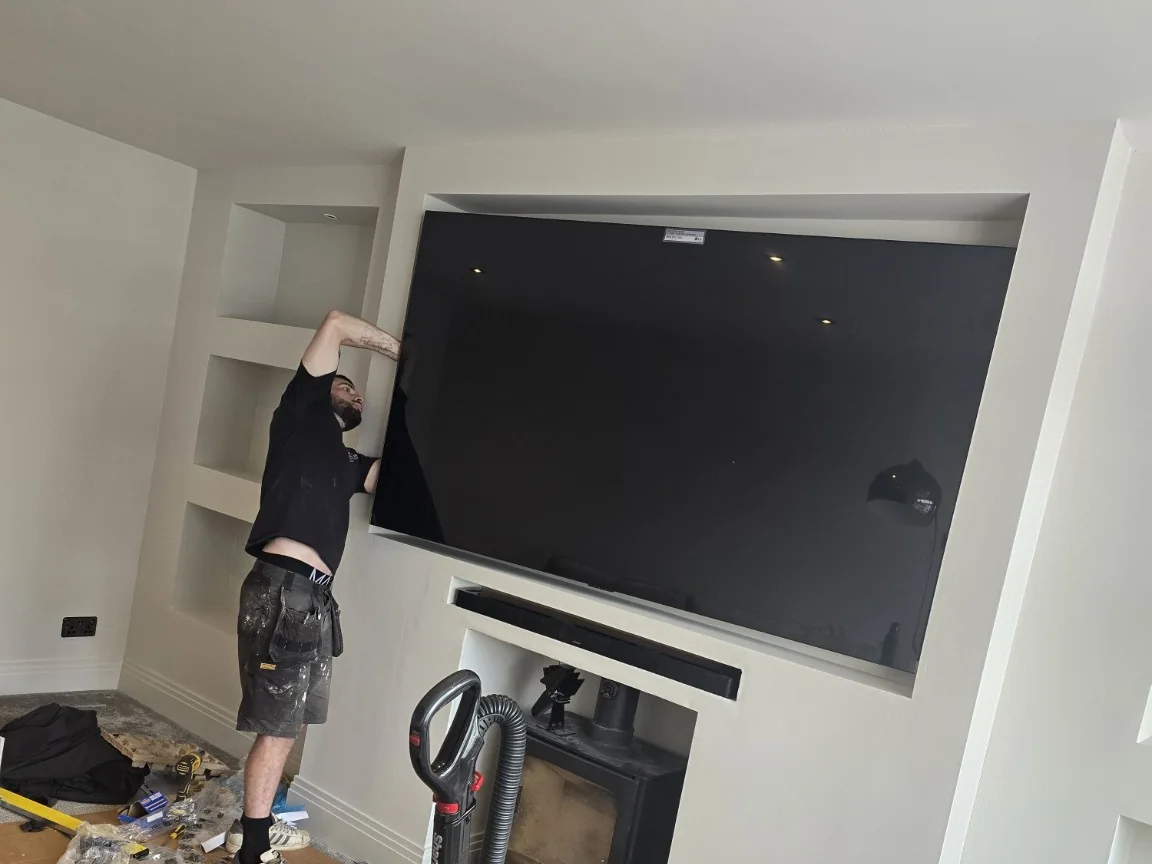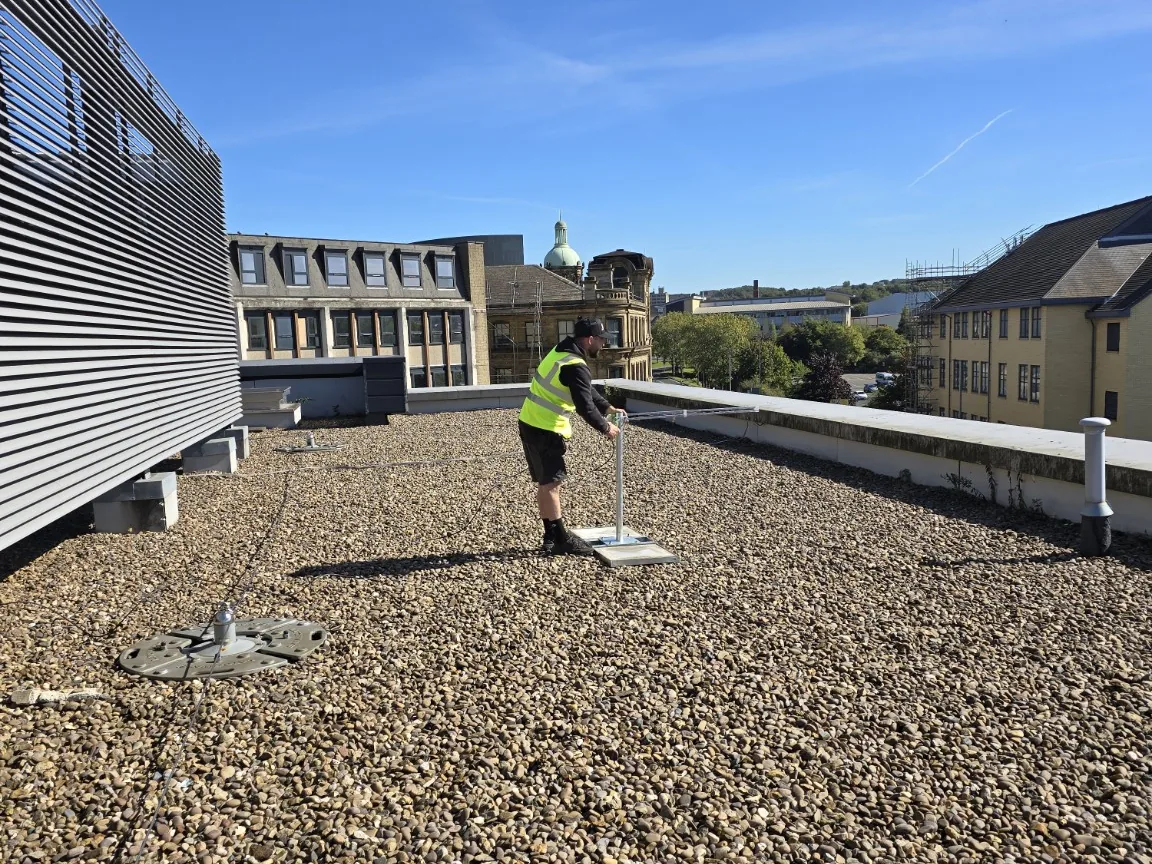
The problem: wired connections after the house was already finished
Retrofitting data cabling is straightforward when a property is stripped back. This house was already finished, decorated and occupied. The customer wanted roughly six to seven wired Ethernet points around the home, but the installation still had to look like it belonged there when the tools were packed away.
That changed the job from simply finding the shortest cable route to finding the best usable route with the least visible impact. Existing infrastructure became part of the solution rather than something to ignore.
Reusing the old coax routes upstairs
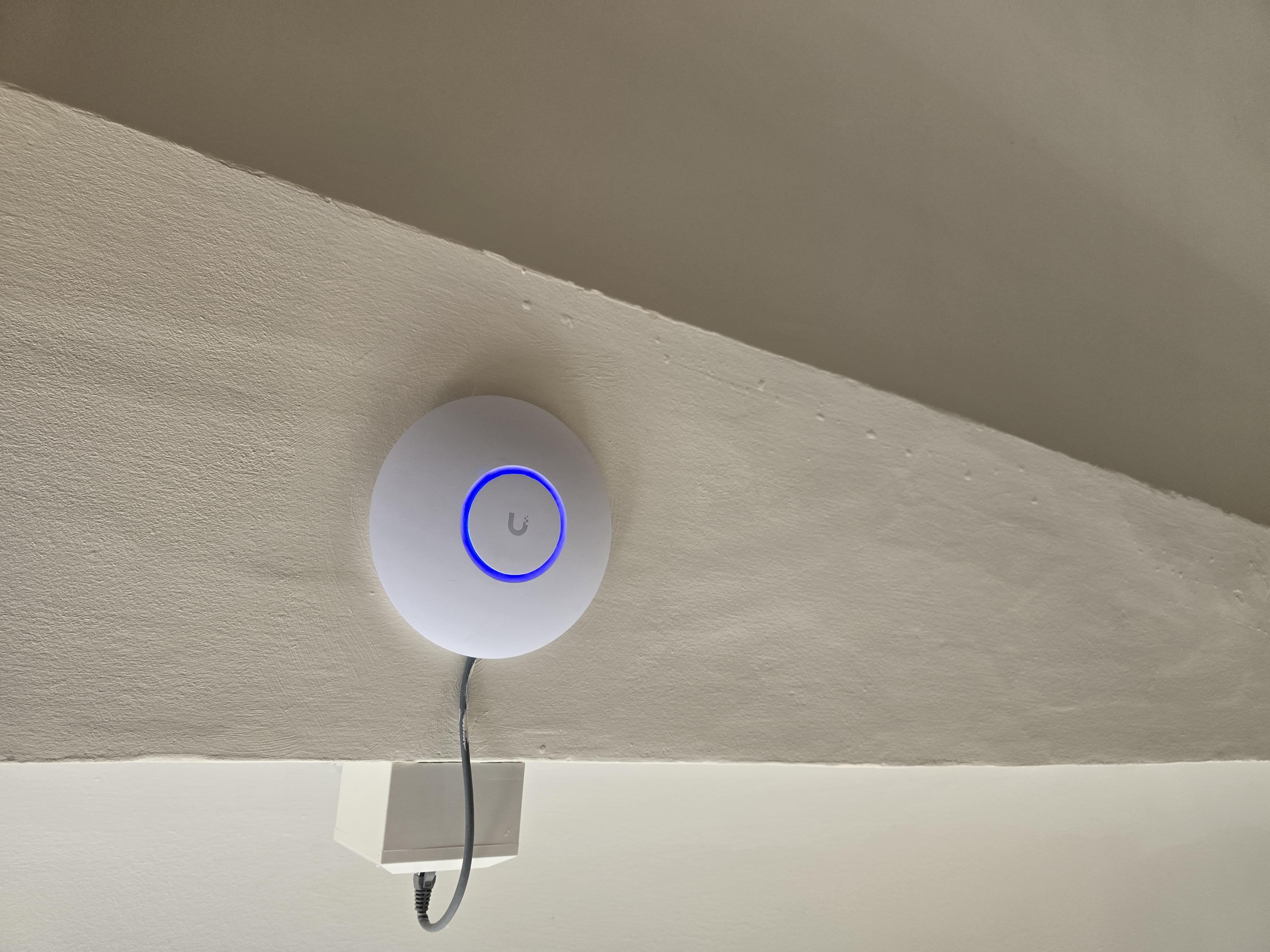
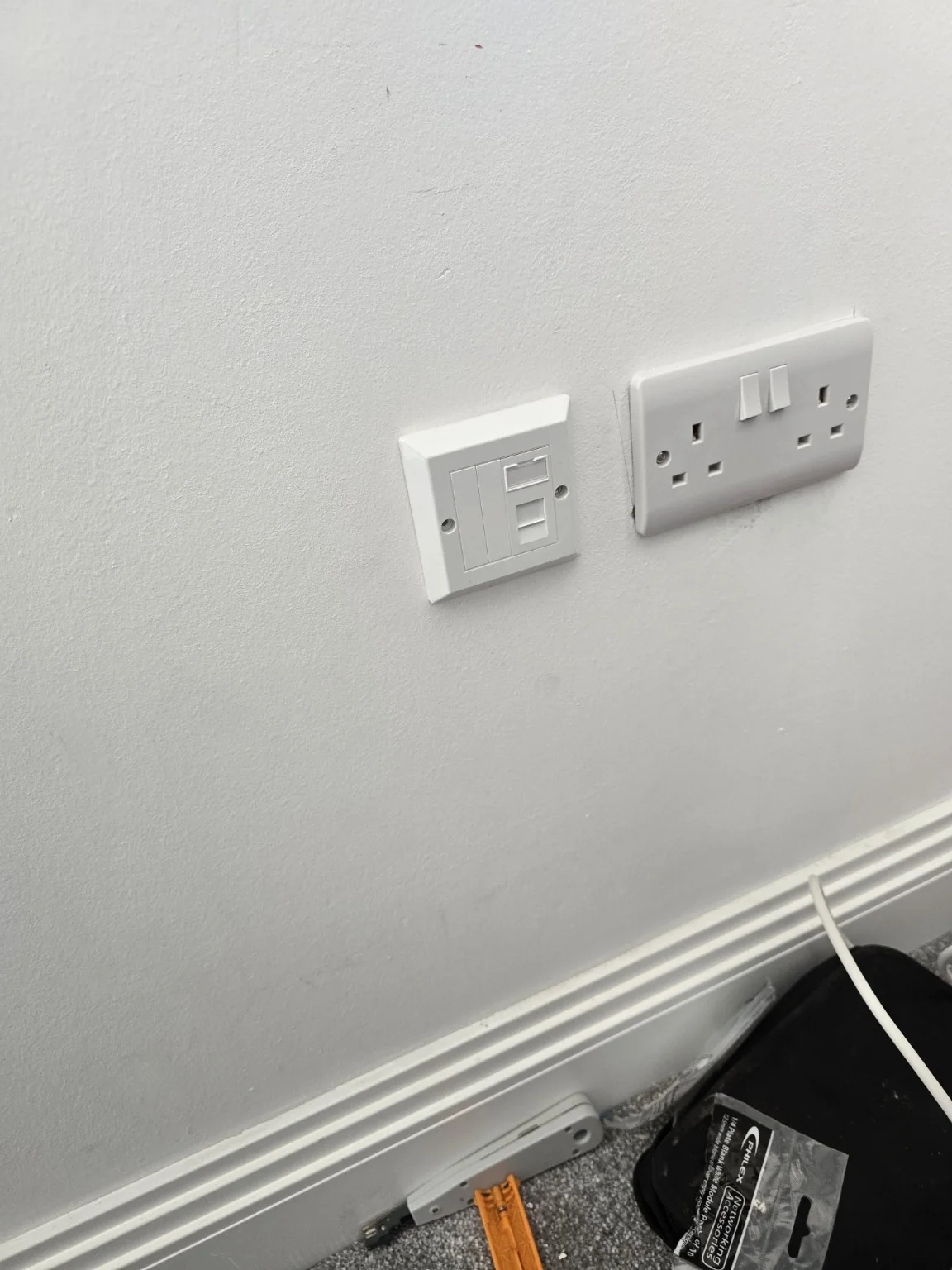
Several upstairs rooms already had coaxial TV points running back through the property. Where those routes were suitable, the old coax was used as a pull path to bring the new network cable into the same wall positions. The redundant TV outlet position could then be repurposed as a discreet RJ45 network point rather than creating another visible route across the room.
- Use existing hidden routes before creating new ones
- Reuse suitable wall positions for the new network outlets
- Avoid unnecessary chasing and decorating work
- Keep visible cable to a practical minimum
Reusing an old route is not automatic: the cable has to move freely enough to act as a pull and the path still has to make sense for the new installation. Where that worked here, it gave the cleanest result.
Finding a different route downstairs
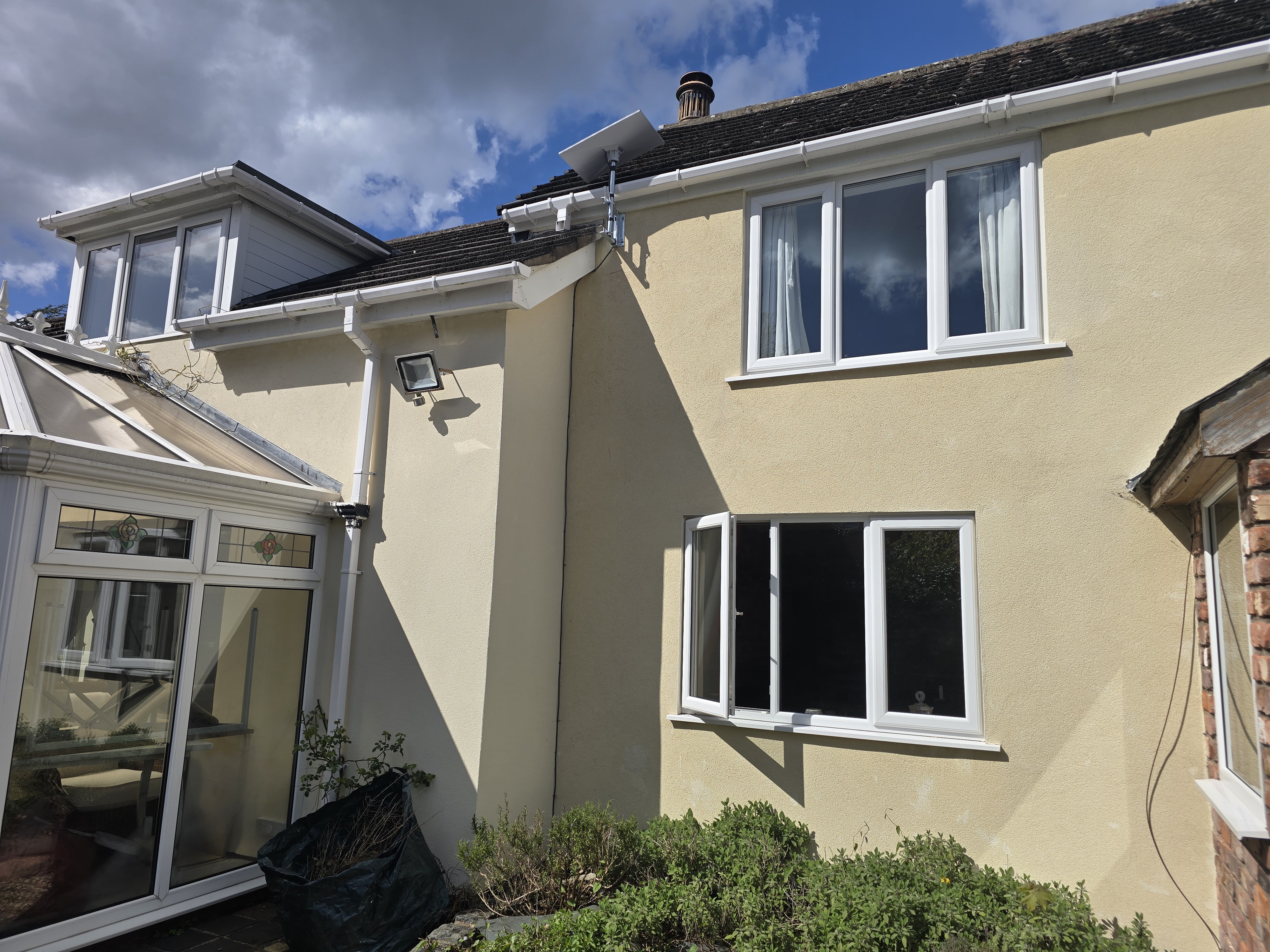
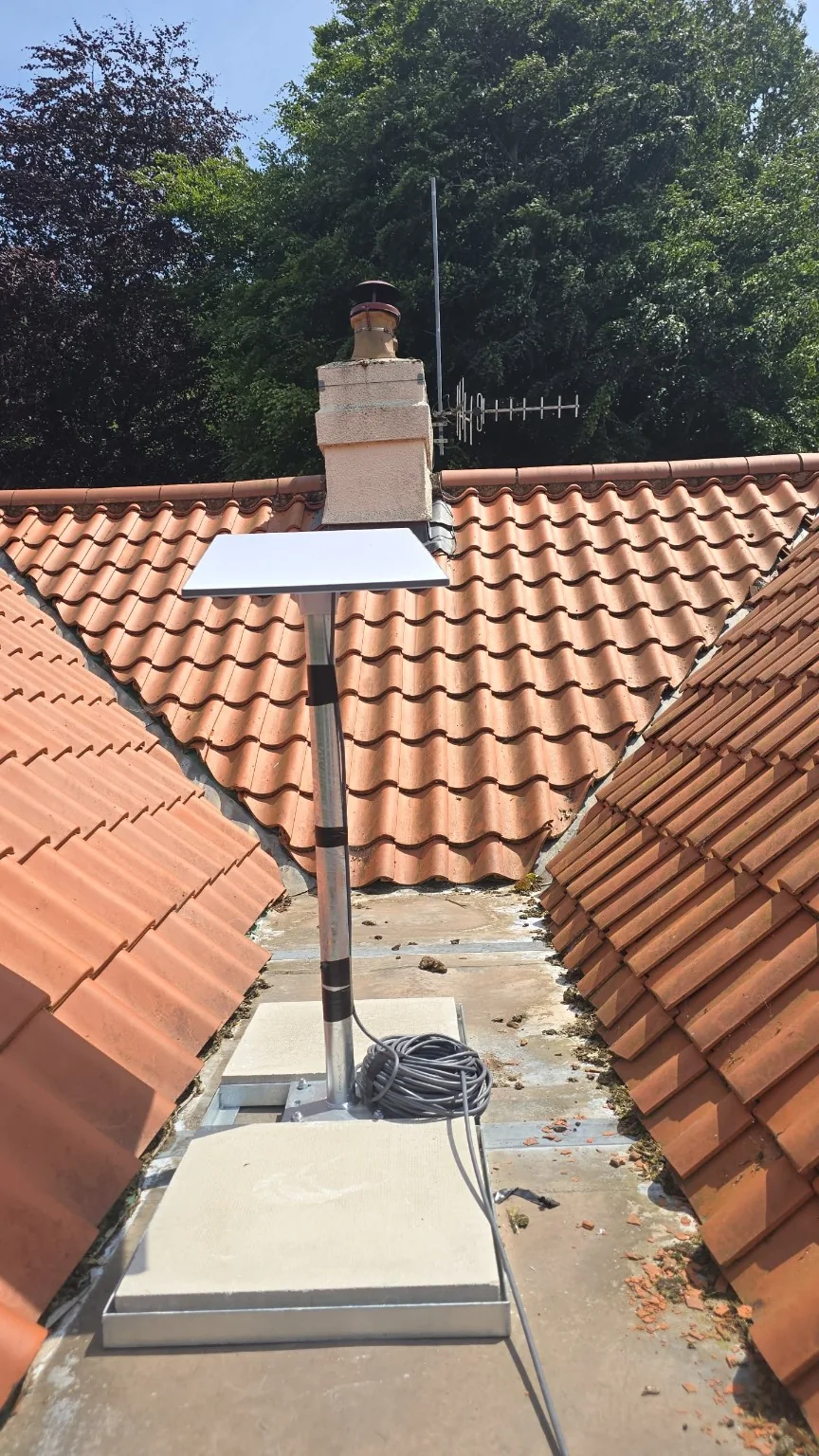
The downstairs points could not all follow the same method. The route was instead planned through the loft and out at a suitable external point, following the building discreetly beside a downpipe before returning inside. At floor level, cable could be worked around carpet and skirting edges where required rather than being left as an obvious run across the wall.
The kitchen position needed its own route and wall entry. The point was drilled and brought through at the agreed socket position so the finished connection sat where it was useful rather than where the easiest cable path happened to end.
Why this mattered more than simply adding sockets
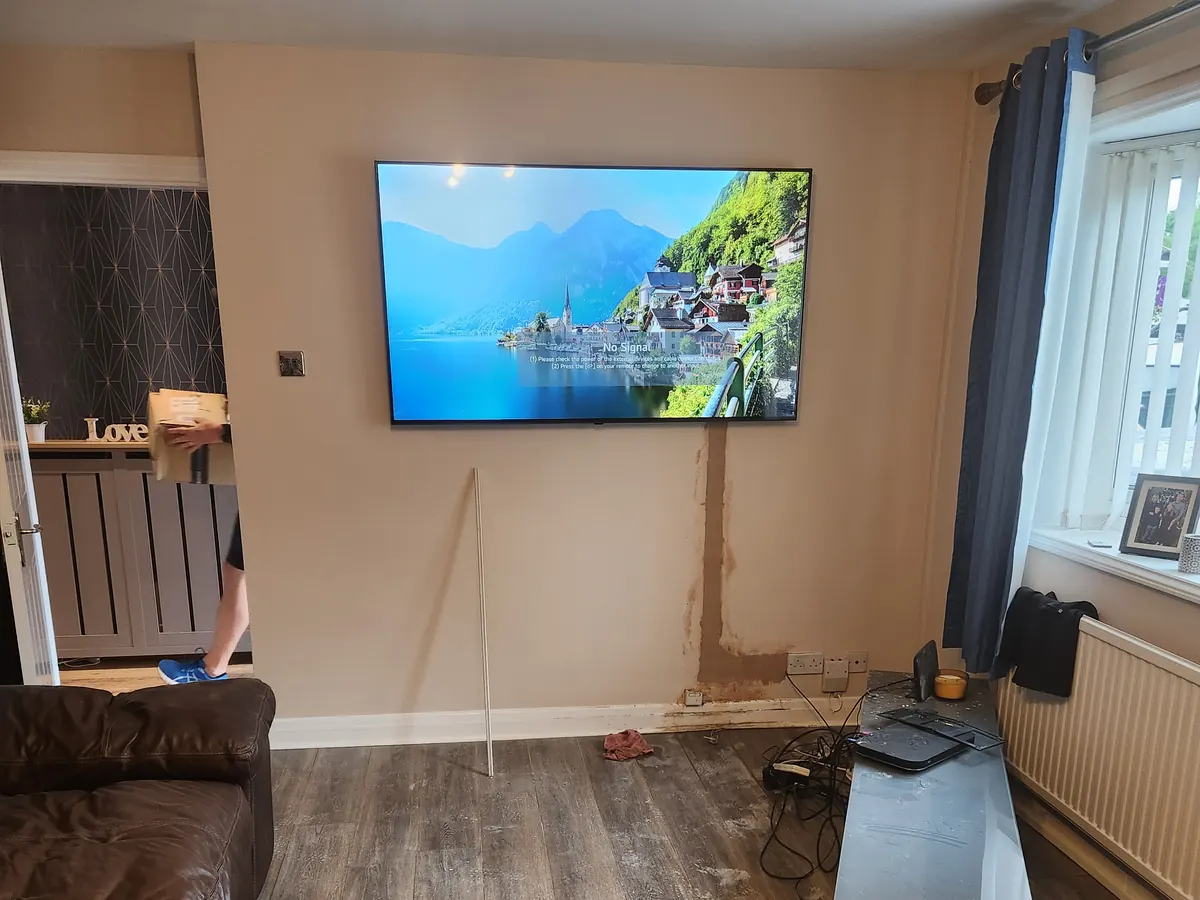
A wired network point is only useful if the customer is happy to live with the installation. In a new-build home, large surface trunking or unnecessary wall damage can solve the technical problem while creating a new cosmetic one. The aim on this project was to deliver the wired connections while respecting the fact that the house was already finished.
The result was a set of practical Ethernet positions with the routing kept largely out of sight. The customer was particularly pleased with how little evidence of the cable routes remained once the work was complete.
A useful example for finished homes around St Helens and Warrington
This project is a good example of why retrofit data cabling should be planned around the building rather than forced into one standard method. Another property may have unused coax, draw wires, loft access, floor voids, external service routes or none of those things. The route is decided after seeing what the house gives us to work with.
If you are considering a similar job, our guide to discreet Ethernet installation in a finished house explains the main routing options. You can also see our data cabling and Ethernet installation service or technology services around Warrington.