Background
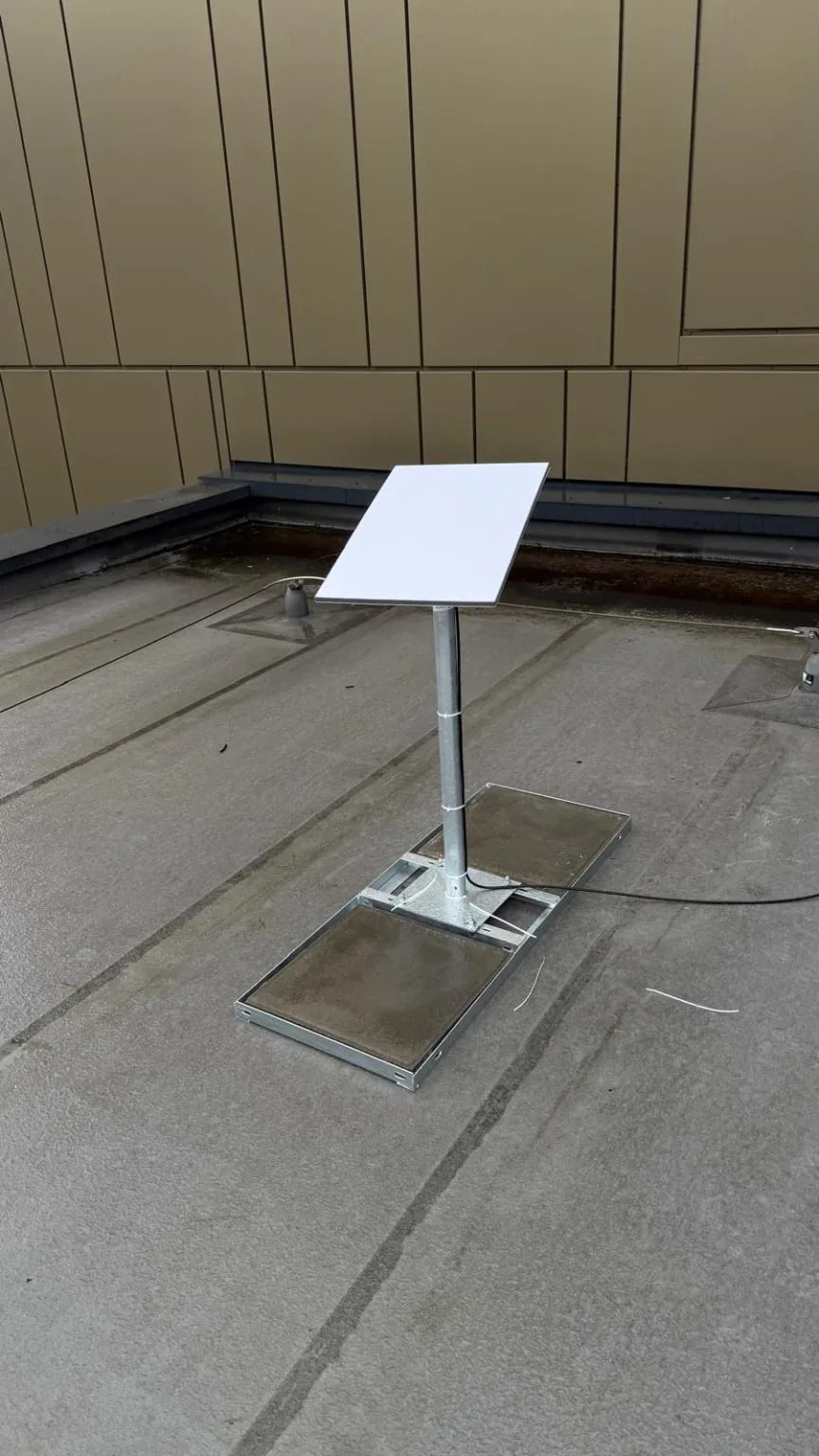
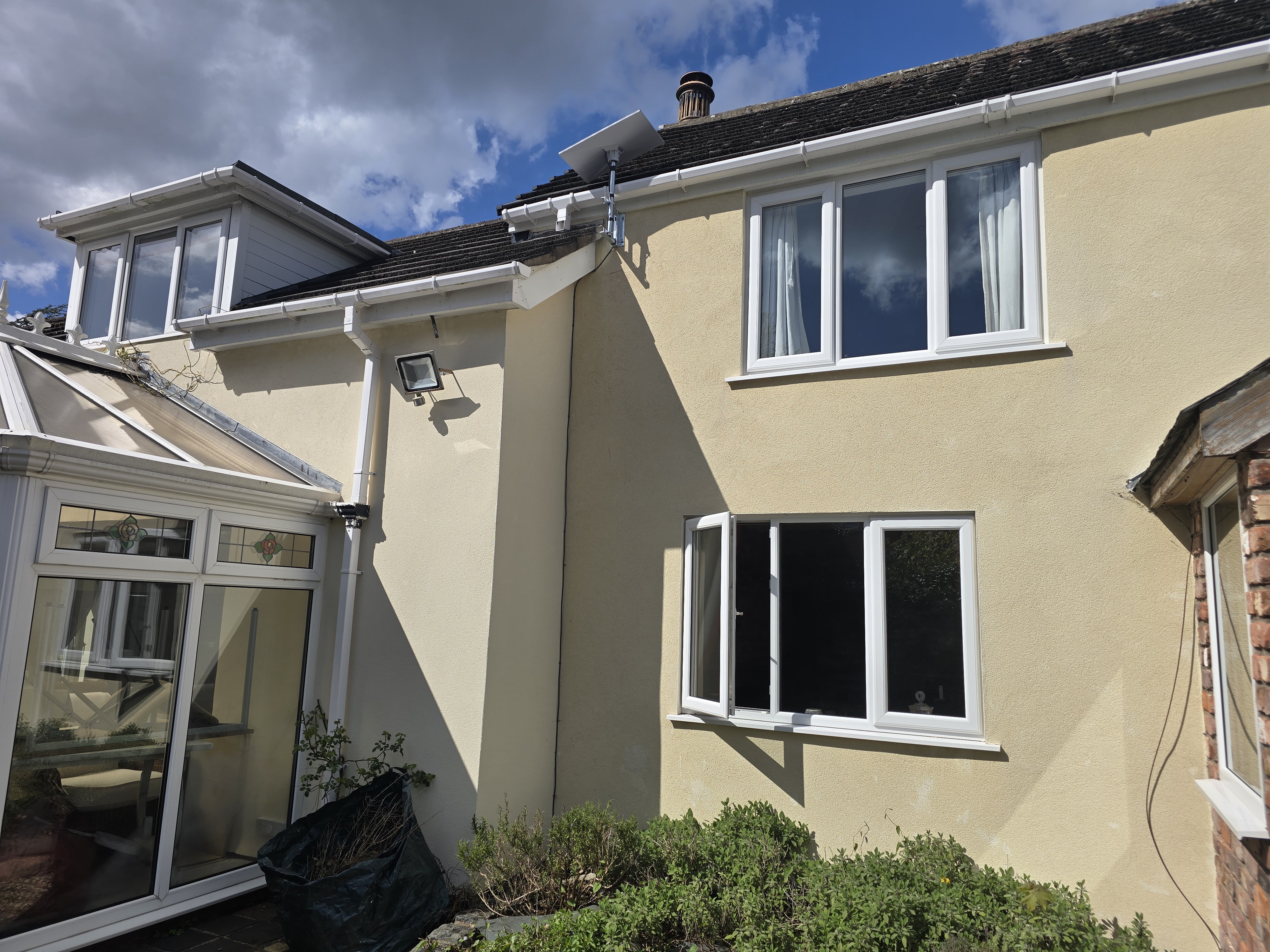
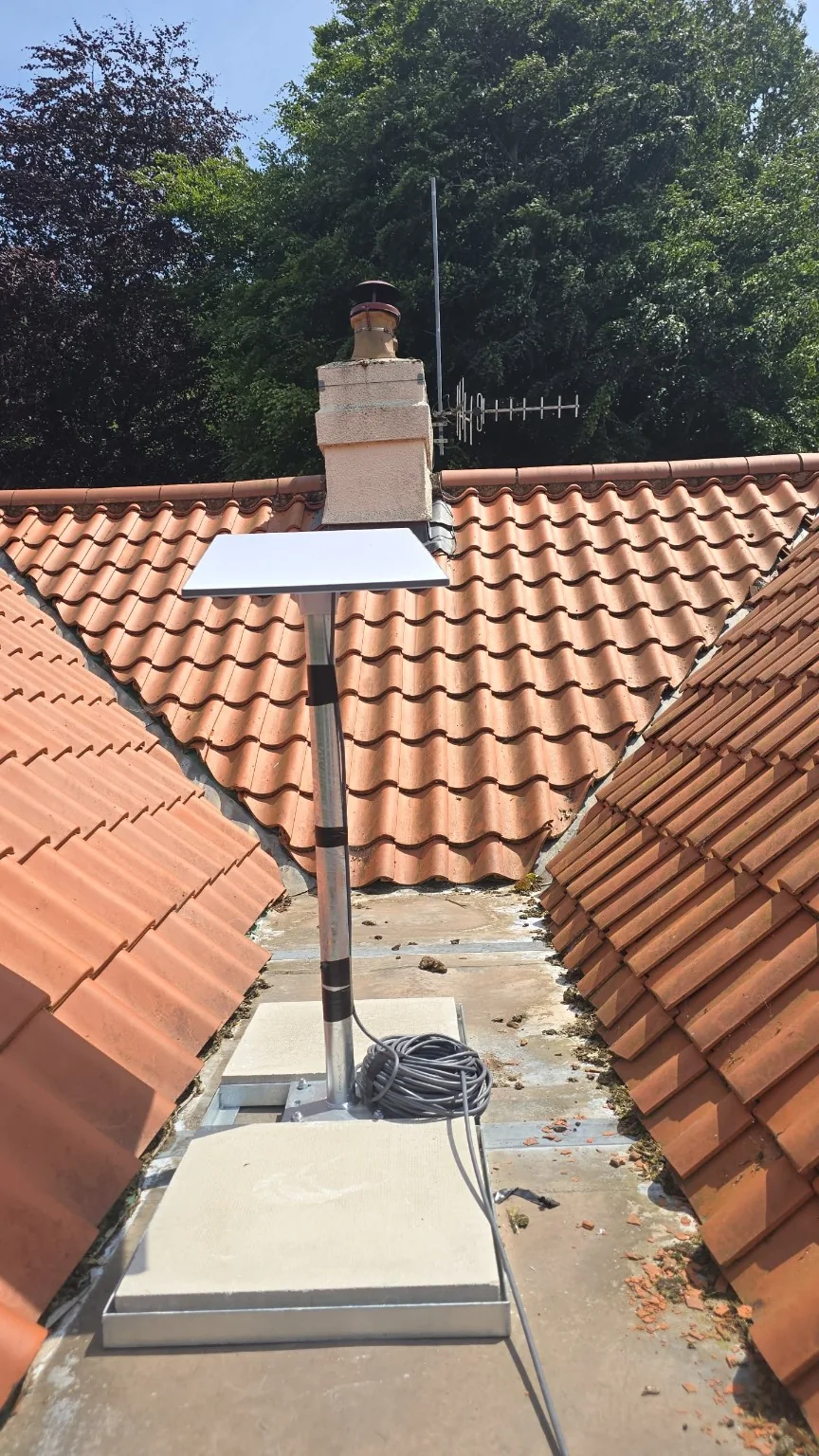
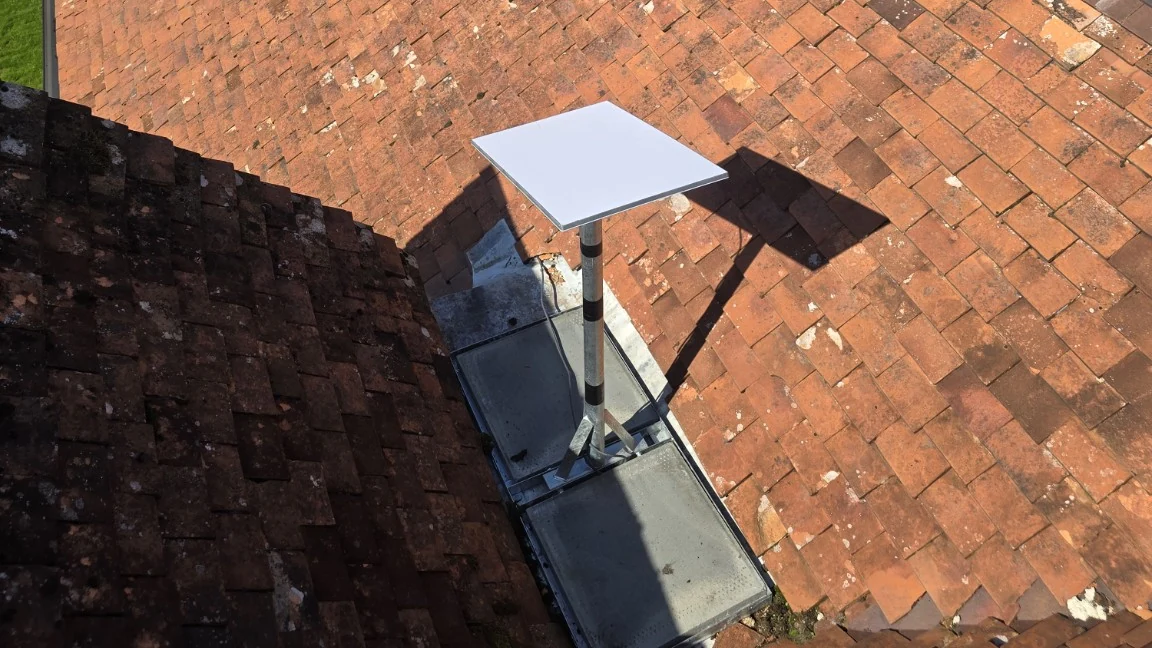
The customer wanted a Starlink connection at a property in Crewe, but there was one important design constraint: they did not want the Starlink dish visibly mounted on the main house. Rather than ignore that requirement or force the most obvious mounting position, Evolution treated the dish location and the internal network as one problem.
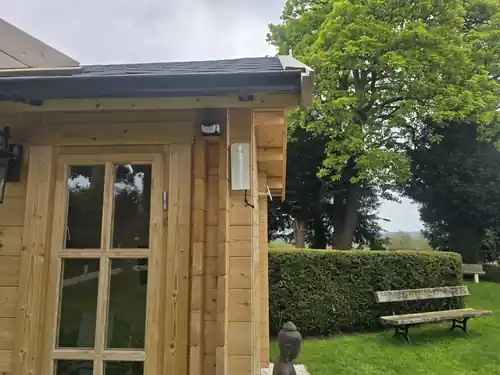
A garden shed at the bottom of the property provided the alternative Starlink location. The challenge then became getting that connection back to the house without undoing the reason for using the shed in the first place.
The challenge
- Keep the Starlink dish off the main house
- Mount the Starlink equipment at the garden shed
- Carry the connection roughly 80 metres back to the house
- Avoid relying on ordinary indoor WiFi across the garden
- Hand the connection into the existing indoor mesh network
- Verify the available Starlink service was reaching the house
The network design
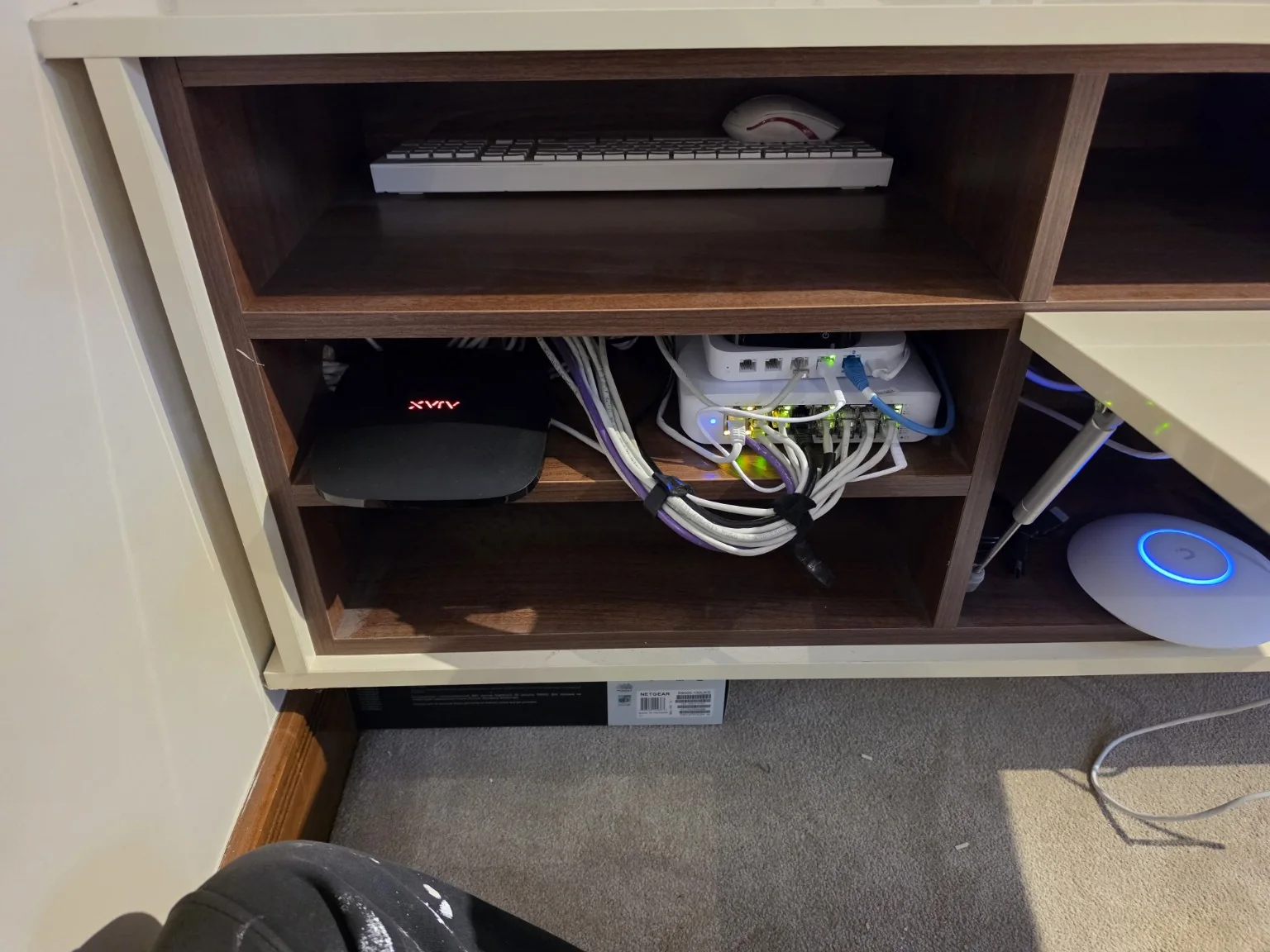
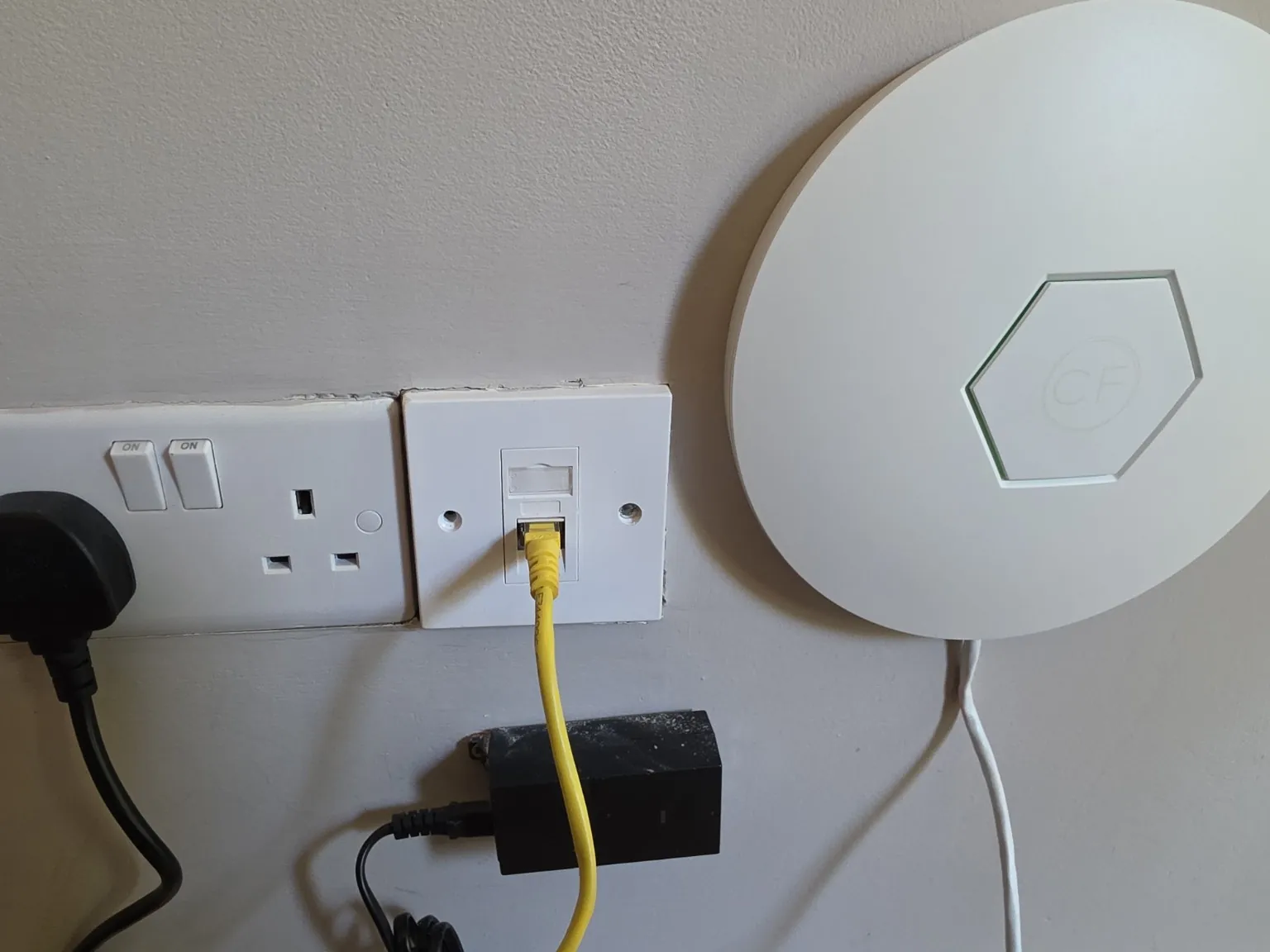
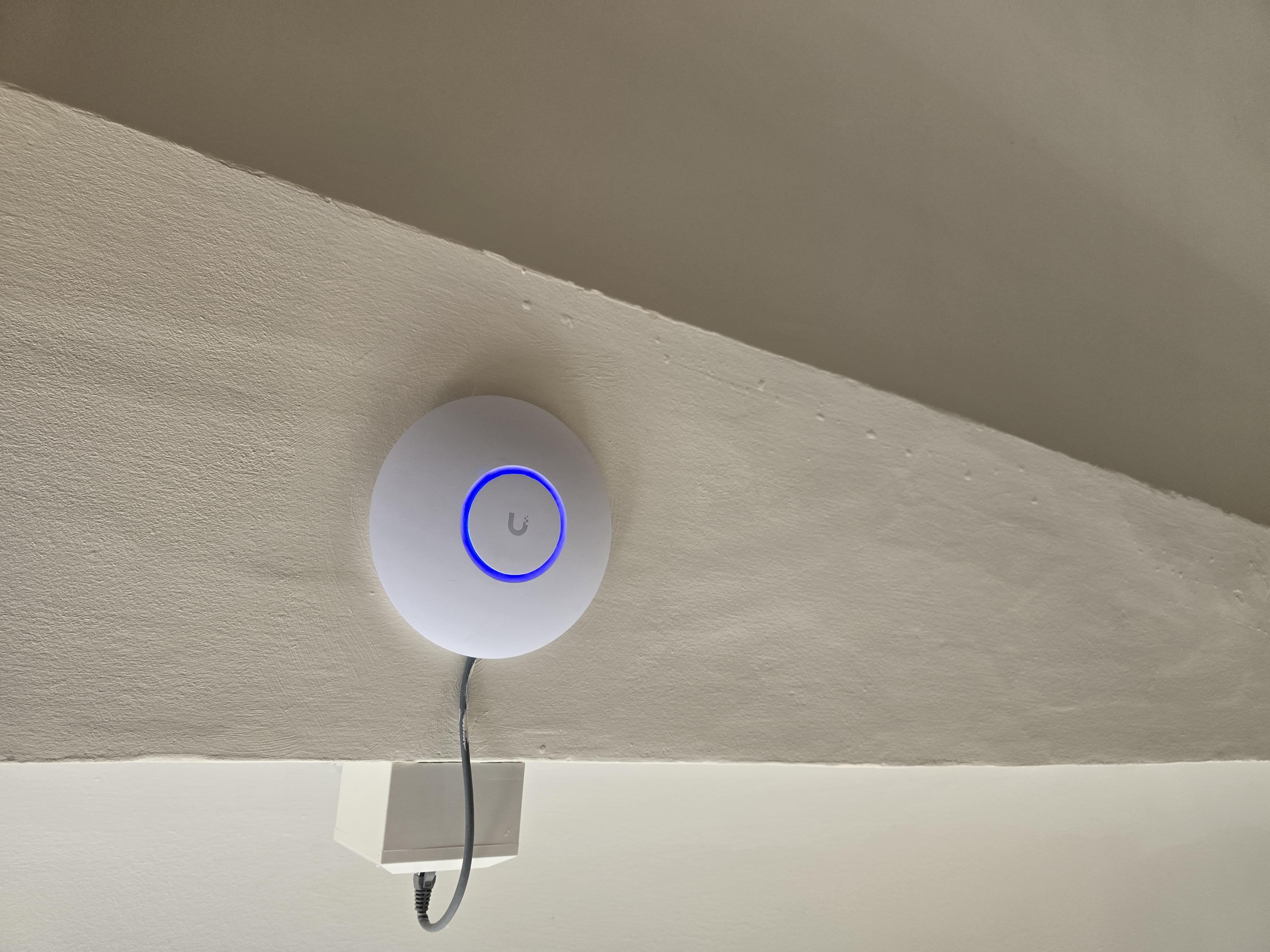
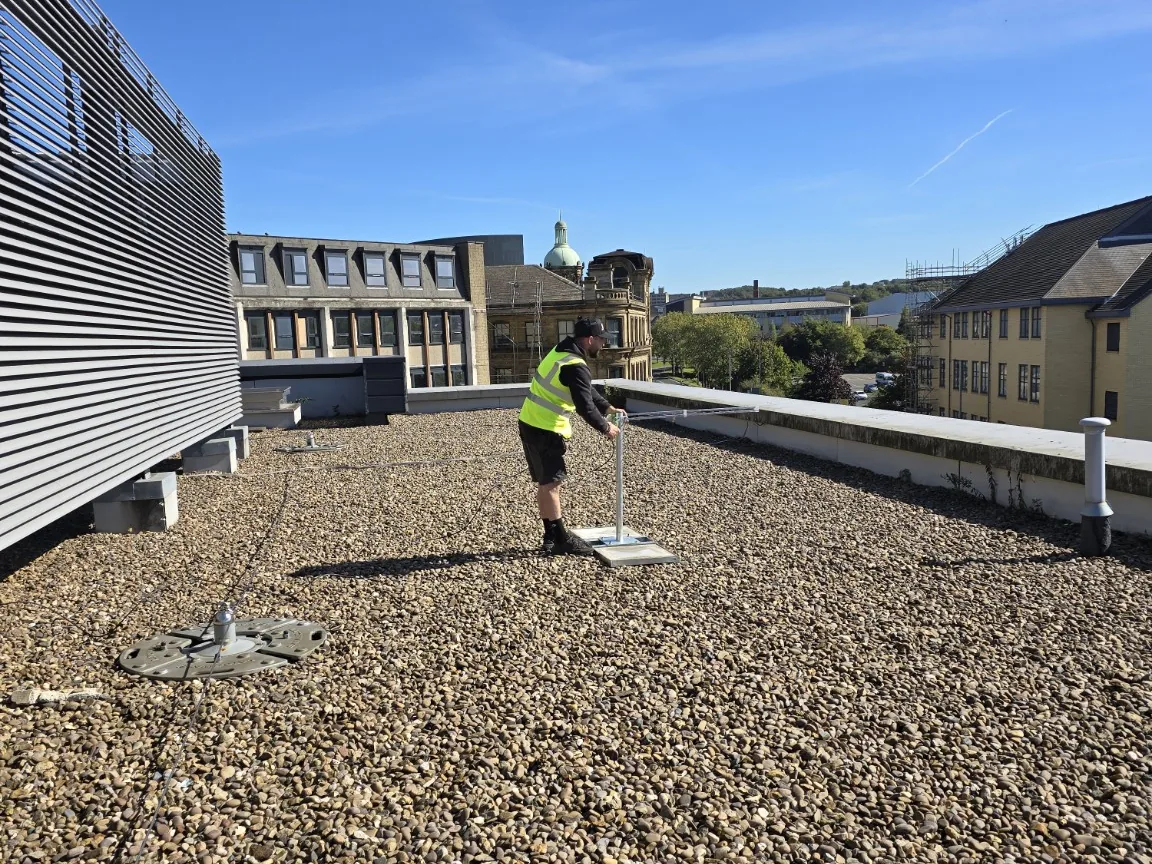
Evolution mounted the Starlink equipment at the shed and connected the Starlink network into a point-to-point wireless bridge. A matched radio at the house received the link and handed the connection into the indoor mesh WiFi system.
The bridge was used as the backhaul between the two locations. It was not expected to provide the house WiFi itself; the mesh system inside the home handled local wireless coverage once the connection arrived.
Why the wireless bridge suited this property
The point-to-point link solved a specific property constraint. It allowed the Starlink dish to stay away from the main building while avoiding the mistake of trying to stretch an ordinary router signal across an approximately 80-metre outdoor gap. The design also avoided making the Starlink mounting position dictate where the customer's indoor WiFi had to live.
A buried cable or fibre route can be the better choice on other sites. Here, the wireless path allowed the two locations to be joined without turning the garden into a new cable route. That decision is installation-specific rather than a rule that wireless is always preferable to fibre or Ethernet.
Measured result
The customer was using a 100 Mbps Starlink service. At handover, the full available 100 Mbps service was received in the house after travelling from the shed, across the approximately 80-metre wireless bridge and into the indoor network.
- Starlink kept off the main house as requested
- Approximately 80-metre wireless link between shed and house
- Starlink connection handed into the indoor mesh network
- Full available 100 Mbps service received in the house at handover
That result describes this installation only. Wireless-bridge performance depends on the equipment, distance, path, obstructions, interference, mounting and configuration at each site; it is not a guaranteed speed or range for another property.
One problem, one joined-up design
The useful part of this project was not any one product. Starlink solved the incoming internet requirement, the point-to-point bridge solved the distance between the shed and house, and the mesh system distributed the connection inside the home. Designing those layers together meant the customer did not have to compromise the appearance of the main building to get the connection where it was needed.
See also: Starlink installation, point-to-point wireless installation service and technology services across Crewe and Cheshire.